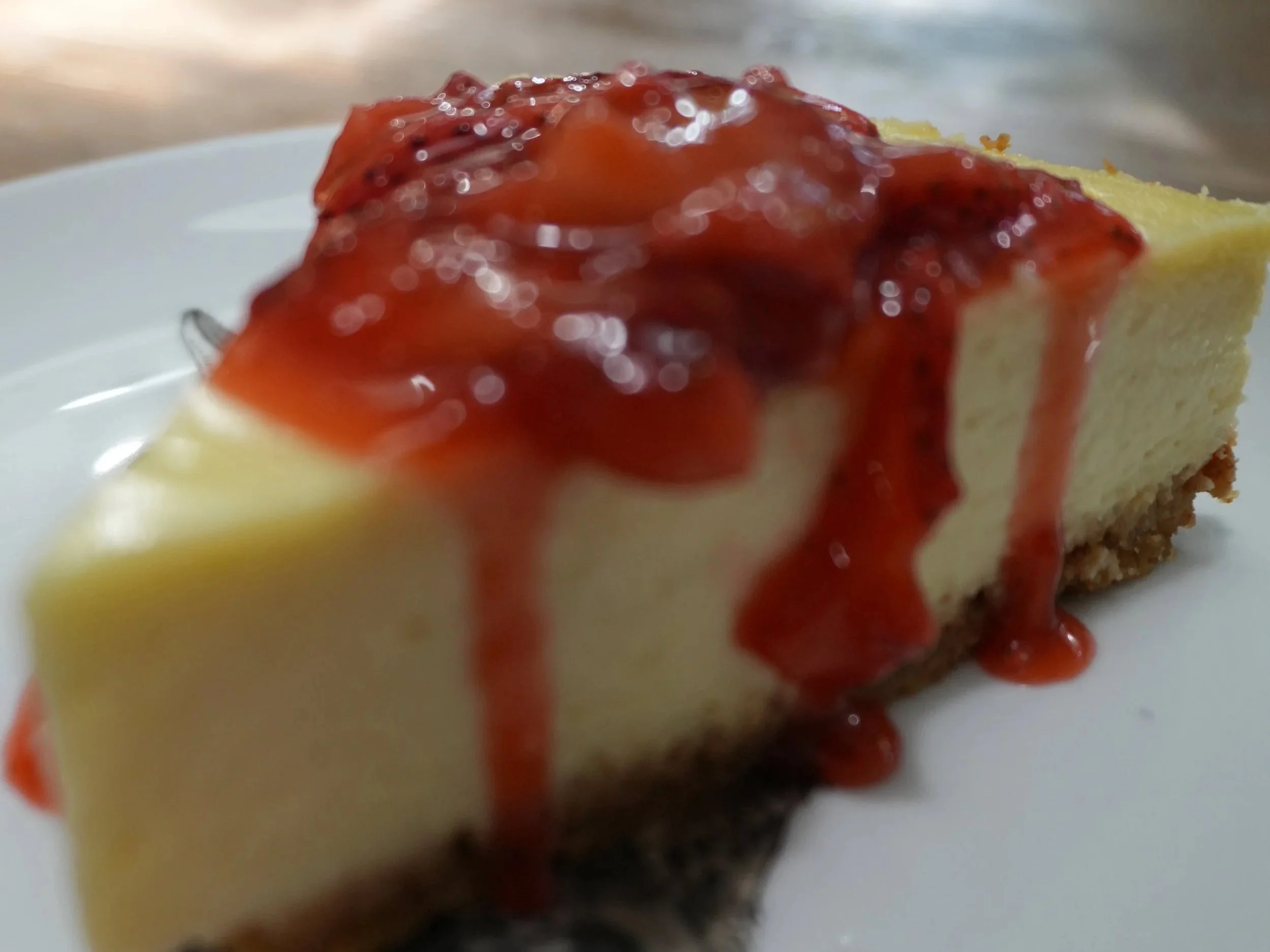
Ny style cheesecake
New York-Style CheesecakeYield: 12–14 slices
Prep time: 30 minutes
Bake time: ~1 hour 10–20 minutes + cooling
Chill time: At least 8 hours (best overnight)Ingredients – Crust
1½ cups (about 150–170 g) graham cracker crumbs (from ~12 full sheets)
5–6 Tbsp (70–85 g) unsalted butter, melted
2 Tbsp granulated sugar
Pinch of salt (⅛ tsp)
Ingredients – Filling
32 oz (four 8-oz / 900 g packages) full-fat cream cheese, at room temperature
1¾–2 cups (350–400 g) granulated sugar (use 1¾ for slightly less sweet)
¼ tsp salt
2 tsp pure vanilla extract
4 large eggs, at room temperature (6 for denser/extra-rich texture)
½ cup (120g) full-fat sour cream, at room temperature
Optional Topping Ideas
Fresh strawberries, cherries, or berry sauce
Classic sour cream topping (1⅓ cups sour cream + ¼ cup sugar + 1 tsp vanilla, spread on after baking)
Instructions
Prep the pan
Preheat oven to 350°F (175°C). Wrap the outside of a 9–10 inch springform pan tightly in 2–3 layers of heavy-duty aluminum foil (to prevent water seeping in if using water bath).Make the crust
Mix graham cracker crumbs, sugar, and salt. Stir in melted butter until it resembles wet sand. Press firmly and evenly into the bottom (and about ½ inch up the sides if desired) of the springform pan. Bake 8–10 minutes until lightly golden and fragrant. Cool while you make the filling. Reduce oven to 325°F (160°C) after crust bakes.Make the filling
In a large bowl (or stand mixer with paddle), beat the room-temperature cream cheese on medium until completely smooth and lump-free (2–3 minutes).
Add sugar and vanilla→ beat until smooth.
Add eggs one at a time, beating on low just until each is incorporated (do not overbeat after eggs).
Finally, gently mix in the sour cream until uniform. The batter should be thick, creamy, and silky.Bake
Pour filling over cooled crust. Tap pan gently to release air bubbles.
Place springform pan in a large roasting pan. Pour very hot water into the roasting pan until it reaches about 1 inch up the sides of the springform (water bath helps even baking and prevents cracks).
Bake at 325°F for 65–85 minutes. The edges should be set, but the center 3–4 inches should still jiggle like Jell-O when gently shaken (it will firm up during cooling).
Turn oven off, crack the door, and let cheesecake cool inside for 1 hour.Cool & chill
Remove from water bath and foil. Run a thin knife around the edge to loosen. Cool to room temperature (another 1–2 hours). Cover and refrigerate at least 8 hours (overnight is best).Serve
Remove sides of springform. Slice with a hot, dry knife for clean cuts. Serve plain or with fresh fruit, berry compote, or a thin layer of sweetened sour cream topping.
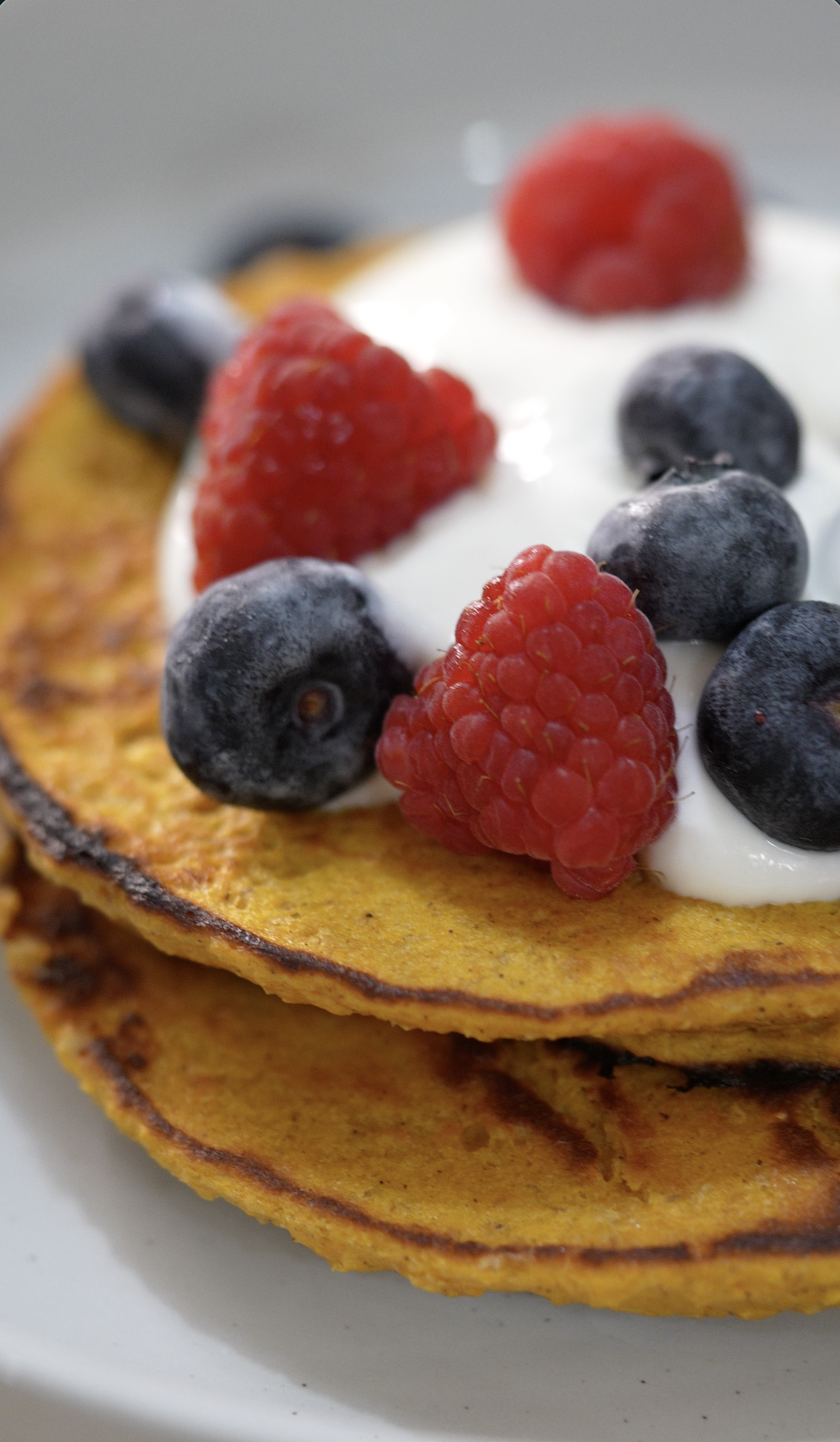
Sweet Potato protein pancakes
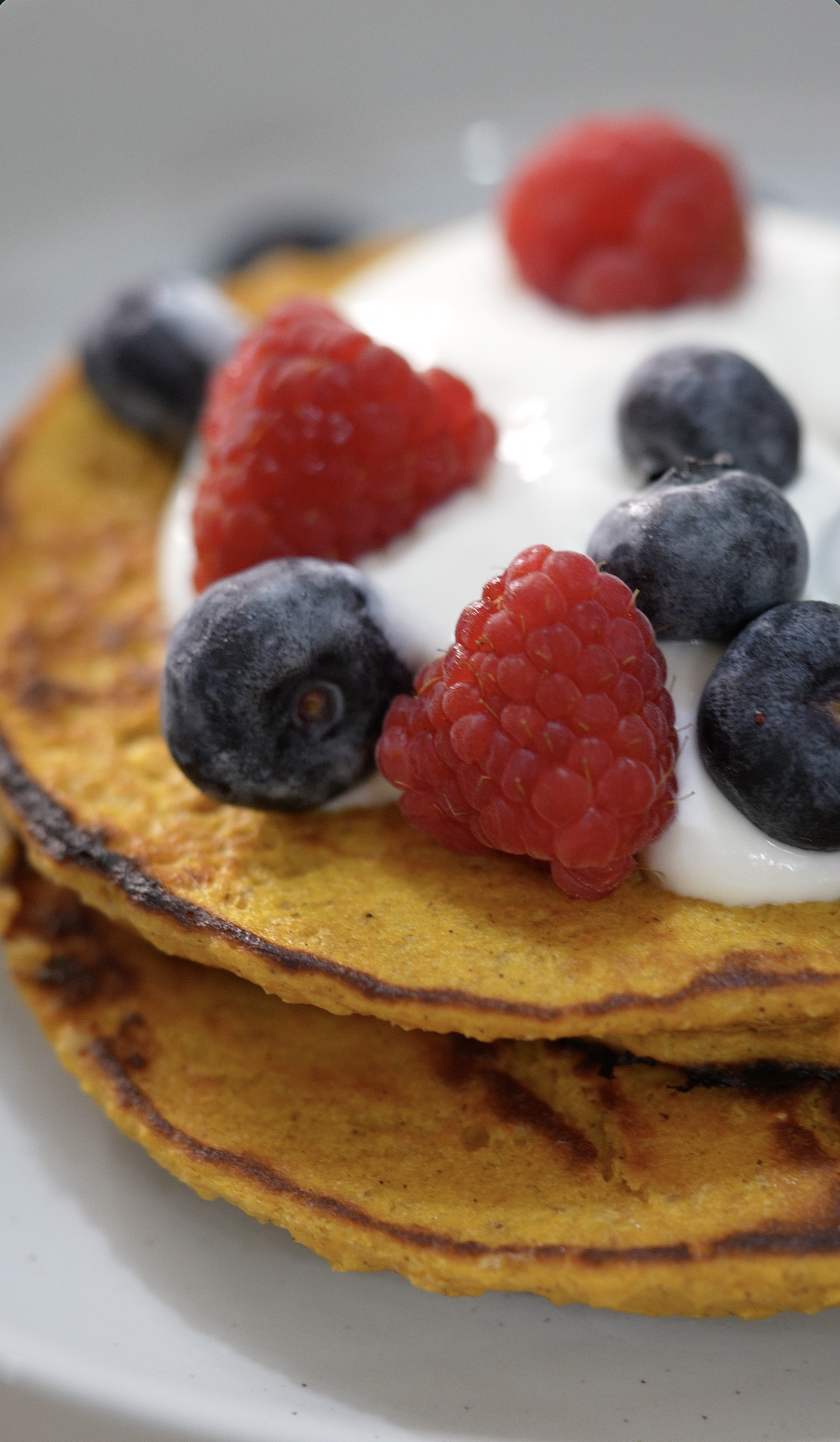
Sweet Potato Protein PancakesServings: 2 (about 6–8 medium pancakes total)
Prep time: 10 minutes
Cook time: 10–15 minutes
Approx. macros per serving (varies by brands): ~30–35g protein, 40–50g carbs, 5–10g fat
Ingredients
1 medium-large sweet potato (~200–250g), cooked and mashed (about ¾–1 cup mashed)
2 large eggs (or ½ cup liquid egg whites for lower fat/higher protein)
1 scoop (≈25–30g) vanilla or cinnamon protein powder (whey, plant-based, or collagen works)
½ cup rolled oats (old-fashioned or quick oats)
1 tsp baking powder
½–1 tsp ground cinnamon
¼ tsp salt (optional, enhances sweetness)
2–4 tbsp milk of choice (almond, oat, dairy, etc.) — add as needed for batter consistency
Optional add-ins: dash of vanilla extract, pinch of nutmeg, or 1 tsp sweetener (honey/maple if desired)
Topping ideas
Greek yogurt + berries
Peanut/almond butter drizzle
Sugar-free syrup or a little maple syrup
Chopped nuts or seeds
Instructions
Cook the sweet potato (if not already done):
Microwave: Poke holes, cook 5–8 minutes until soft.
Bake: 400°F (200°C) for 40–50 minutes.
Boil: Cube and simmer 15–20 minutes.
Let cool slightly, peel, and mash until smooth (no big chunks).
Add the mashed sweet potato, eggs, protein powder, oats, baking powder, cinnamon, and salt to a blender. Start blending on low, then increase speed until mostly smooth.
Add milk 1 tbsp at a time while blending until you get a thick but pourable pancake batter (thicker than classic pancakes but not dough-like). If too thick, add a splash more milk; if too thin, add a sprinkle of oats.
Heat a non-stick skillet or griddle over medium-low heat. Lightly grease with cooking spray or a tiny bit of oil/butter.
Pour batter to form 3–4 inch pancakes. Cook 2–4 minutes until bubbles appear on the surface and edges look set.
Flip carefully (they're a bit more delicate due to no flour) and cook another 1–3 minutes until golden and cooked through.
Repeat with remaining batter. Keep cooked pancakes warm in a low oven if making a big batch.
Stack and serve hot with your favorite toppings!
High protein banana bread
Yield: 10–12 slices
Prep time: 10 minutes
Bake time: 50–60 minutes
Approx. macros per slice (based on 12 slices, varies by brands/ingredients): ~12–15g protein, 25–30g carbs, 6–8g fat (higher protein if you use a dense whey or add nuts)
Ingredients
3 medium very ripe bananas (about 1–1¼ cups mashed – the spottier/blacker, the better for sweetness)
2 large eggs
½ cup plain Greek yogurt (non-fat or 2% for higher protein)
⅓ cup coconut sugar, maple syrup, or honey (or less if your protein powder is very sweet)
1 tsp vanilla extract
1½ cups oat flour (or whole wheat/all-purpose; use gluten-free oat flour if needed)
½ cup (about 50–60g) vanilla protein powder (whey, plant-based, or casein – avoid overly flavored ones that might clash)
1 tsp baking soda
1 tsp baking powder
1 tsp ground cinnamon
¼ tsp salt
Optional add-ins: ½ cup chopped walnuts or pecans, dark chocolate chips, or blueberries for texture and flavor
Instructions
Preheat your oven to 350°F (175°C). Grease a 9x5-inch loaf pan or line it with parchment paper for easy removal.
In a large bowl, mash the bananas until mostly smooth (a few small chunks are fine for texture).
Add the eggs, Greek yogurt, sweetener, and vanilla extract. Whisk everything together until well combined and creamy.
In the same bowl (one-bowl magic), add the oat flour, protein powder, baking soda, baking powder, cinnamon, and salt. Stir gently until just combined – don't overmix, or it can get dense. If the batter looks too thick, add 1–2 tbsp milk (any kind) to loosen it up slightly.
Fold in any optional add-ins like nuts or chocolate chips.
Pour the batter into the prepared loaf pan and smooth the top. If you want extra crunch, sprinkle a few more nuts or chips on top.
Bake for 50–60 minutes, or until a toothpick inserted in the center comes out clean or with a few moist crumbs (not wet batter). If the top browns too quickly, tent it loosely with foil after 40 minutes.
Let it cool in the pan for 10–15 minutes, then transfer to a wire rack to cool completely (this helps it firm up and slice nicely).
Slice and enjoy! Great plain, toasted with a smear of peanut butter, or topped with Greek yogurt for even more protein.

Beef Pho
Fragrant Vietnamese noodle soup: clear beef broth simmered with charred onion, ginger, star anise, cinnamon, cloves, and coriander; poured over rice noodles and thinly sliced beef or chicken. Garnish with cilantro, Thai basil, bean sprouts, lime, sliced chilies, and hoisin/sriracha. Method: roast aromatics, simmer bones and spices for hours, strain, reheat, assemble noodles/protein, ladle hot broth. Portable, comforting, customizable.
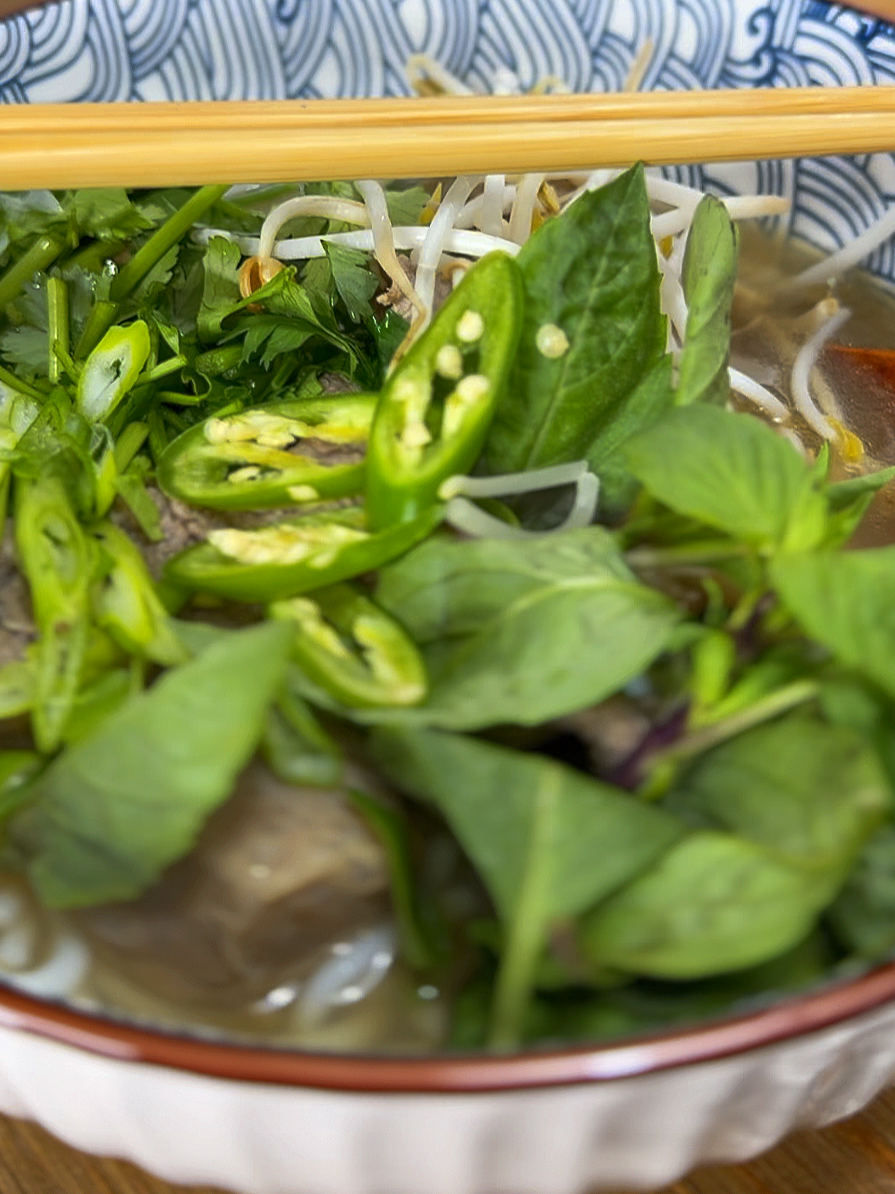
Pho (pronounced “fuh”) is Vietnam’s iconic noodle soup: a fragrant, clear beef or chicken broth served over slippery rice noodles, thinly sliced meat, fresh herbs, and bright garnishes. It’s balanced around savory, sweet, and aromatic notes from slow-simmered bones and whole spices (star anise, cinnamon, cloves), brightened with lime and chili, and finished with fresh herbs like Thai basil, cilantro, and bean sprouts. Pho is both an everyday comfort food and a dish of careful technique—simple ingredients transformed by time and temperature.
Basic Beef Pho (Pho Bo) — Serves 4
Ingredients
4–5 pounds beef bones (marrow bones, knuckle bones, and a few meaty bones) I used beef neck bones
1 large onion
4-inch piece fresh ginger, halved lengthwise
4-star anise
2 cinnamon sticks
6 whole cloves
1 tablespoon coriander seeds
1 teaspoon fennel seeds
1 tablespoon salt
1–2 tablespoons fish sauce (to taste)
1–2 teaspoons sugar (or rock sugar), to taste
8 ounces dried flat rice noodles (banh pho), or fresh if available
1/2–3/4 pound very thinly sliced raw beef (sirloin, eye of round, flank—slice freezer-firm)
Garnishes: lime wedges, Thai basil, cilantro, bean sprouts, thinly sliced onion or scallions, thinly sliced red chili or jalapeño, hoisin sauce, sriracha
Instructions
Char the aromatics
Place onion and ginger cut-side down in a dry skillet over medium-high heat or under a broiler until well-charred (5–10 minutes). This adds a smoky depth.
Roast the bones
Put bones on a sheet tray and roast on high heat, 400 degrees or more for 15-20 minutes
Simmer the broth
Add bones to pot, add 4–5 quarts fresh water, charred onion and ginger. Toast spices in a dry pan until fragrant, then tie in cheesecloth or place in a mesh tea infuser and add to pot (or add loose to strain later). Bring to a gentle simmer—avoid boiling. Skim any scum for the first 30 minutes.
Simmer gently for at least 3–4 hours (6–8 hours or longer gives deeper flavor). If using meaty cuts like brisket, you can simmer them in the broth until tender, then remove, slice, and set aside.
Season with salt, fish sauce, and a little sugar to balance. Taste and adjust.
Strain and finish
Remove bones, meat, onion, ginger, and spices. Strain broth through a fine sieve or cheesecloth into a clean pot. Keep hot. If needed, skim fat from the surface or refrigerate and remove fat once chilled.
Prepare noodles and beef
Cook rice noodles according to package instructions (usually soak or briefly blanch in boiling water) until just tender. Drain and portion into bowls.
Arrange a few slices of raw thin beef atop the noodles (the hot broth will cook them).

Trofie With pesto
Food is life.

Trofie with pesto
This is my straightforward trofie al pesto: bright, herb-forward, and perfect for summer tomatoes or a sprinkling of toasted pine nuts. Trofie are small, twisted Ligurian dumplings that hold pesto beautifully. If you can’t find trofie, use orecchiette, fusilli, or short gemelli.
Ingredients (serves 4)
12 oz (340 g) trofie pasta (dried or fresh)
3 cups fresh basil leaves, packed (about 2 large bunches)
1/2 cup extra-virgin olive oil, plus extra to finish
1/3 cup pine nuts (toasted)
2 garlic cloves, peeled (adjust to taste)
1/2 cup freshly grated Parmigiano-Reggiano (plus extra to serve)
1/4 cup freshly grated Pecorino Romano
Salt (kosher) and freshly ground black pepper
1 cup starchy pasta cooking water, reserved
Optional add-ins: halved cherry tomatoes, blanched green beans, roasted potatoes, or a squeeze of lemon
Method
Toast the pine nuts: In a small dry skillet over medium heat, shake or stir until they’re golden and fragrant, 2–4 minutes. Watch closely to avoid burning. Remove from heat and cool.
Cook the pasta: Bring a large pot of salted water to a boil (about 1 tbsp kosher salt per 4–6 quarts). Cook trofie until al dente, following package directions for time (fresh trofie is quick — often 3–5 minutes). Reserve about 1 cup of cooking water before draining.
Make the pesto (traditional mortar method or blender/food processor):
Mortar & pestle: Pound garlic with a pinch of salt until a paste forms. Add toasted pine nuts and pound briefly. Add basil leaves in batches, grinding gently with a circular motion to release oils. Fold in finely grated cheeses, then slowly drizzle in olive oil until emulsified. Season to taste with salt and pepper.
Food processor: Pulse basil, garlic, and pine nuts until coarsely chopped. Add cheeses and pulse to combine. With the motor running, stream in olive oil until you reach a slightly loose, spreadable consistency. Taste and season with salt and pepper. Don’t overblend—keep some texture.
Finish the pasta: Return drained trofie to the pot (off the heat) or to a warm sauté pan. Add 3–4 tablespoons of pesto and 1/4–1/2 cup reserved pasta water. Toss gently to coat. Add more pesto and pasta water as needed to reach a glossy, clingy sauce that adheres to the pasta. Stir in optional halved cherry tomatoes or blanched green beans now if using.
Serve: Divide among bowls, drizzle a little extra virgin olive oil, sprinkle extra grated Parmigiano-Reggiano and a few toasted pine nuts for crunch. Freshly ground black pepper to taste. Serve immediately.
Tips and variations
Make-ahead: Pesto keeps well in the fridge for 2–3 days if covered with a thin film of olive oil, or freeze in small batches for longer storage.
Nut swaps: If pine nuts are too pricey or allergenic, use toasted walnuts or almonds. Flavor will change but still be delicious.
Lighter pesto: Reduce oil to 1/3 cup and use more reserved pasta water to loosen the sauce if you prefer a lighter coating.
Add protein: Toss in grilled shrimp, shredded rotisserie chicken, or flaked roasted salmon for a heartier meal.
Acid: A squeeze of lemon brightens the pesto — add 1–2 teaspoons of lemon juice if desired.
Enjoy: trofie with pesto is simple, fast, and all about quality ingredients—fresh basil, good cheese, and a nice olive oil.